Game info
Stickman, Physics fighting, Local multiplayer
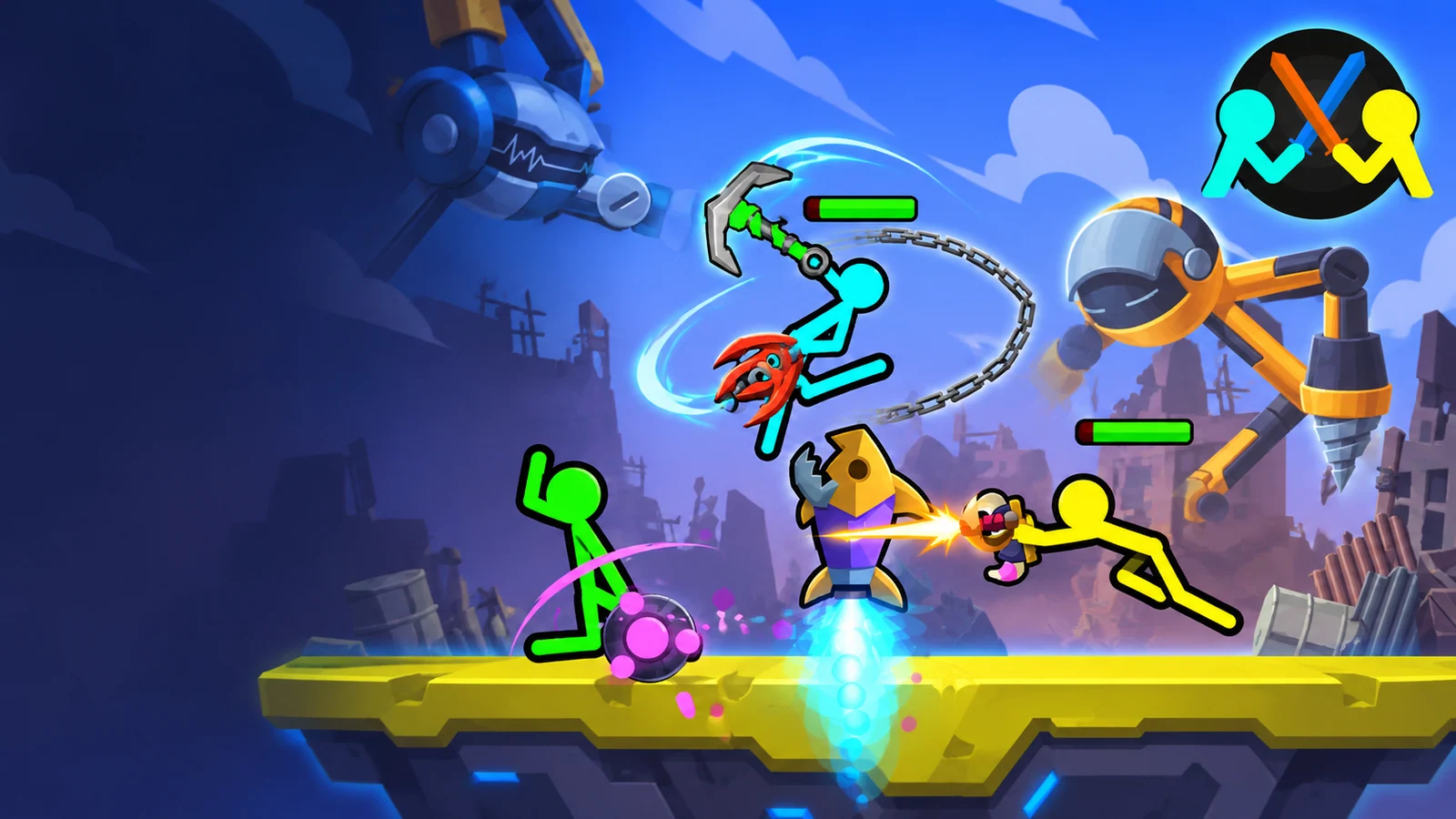
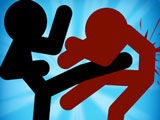
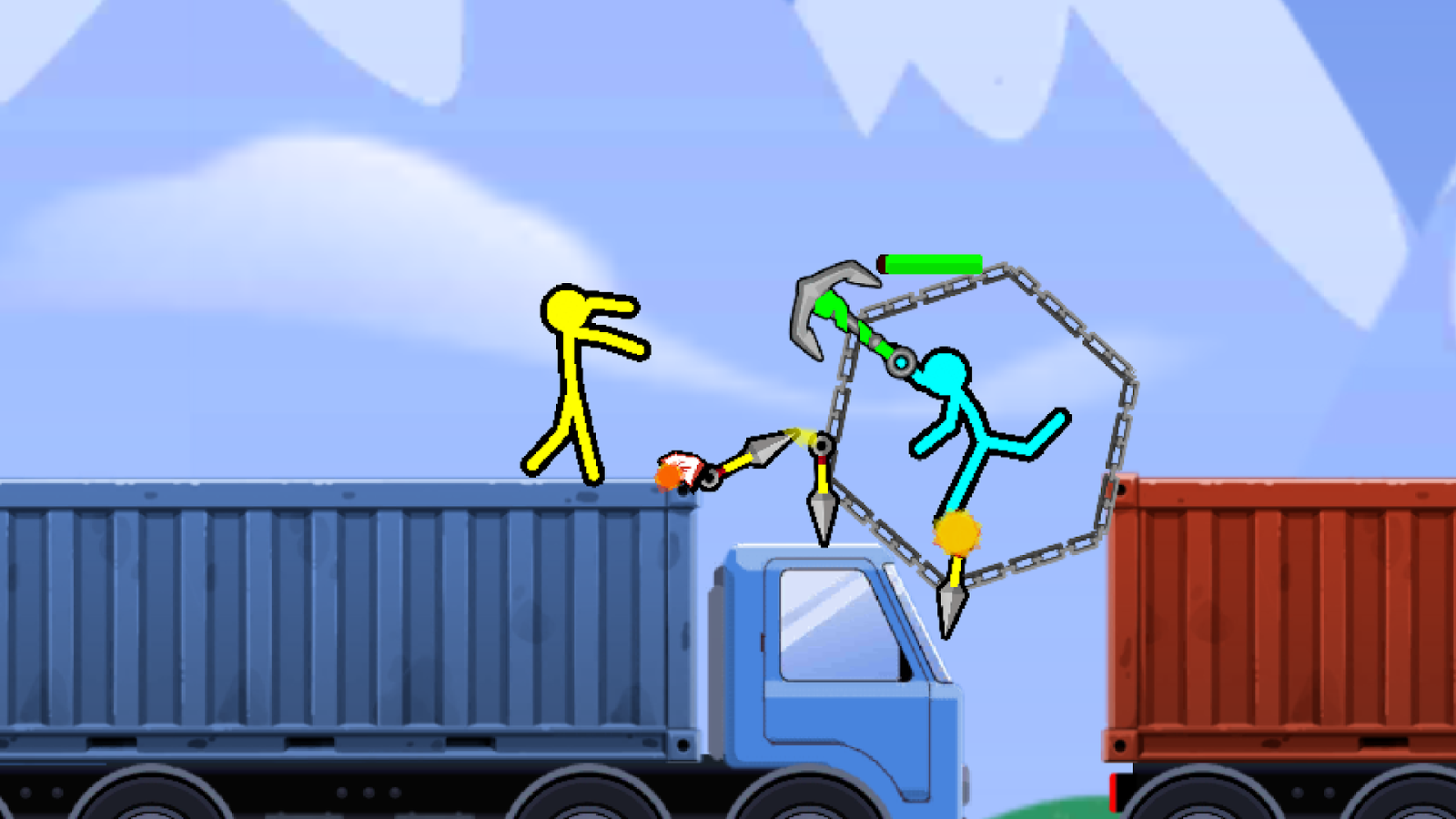
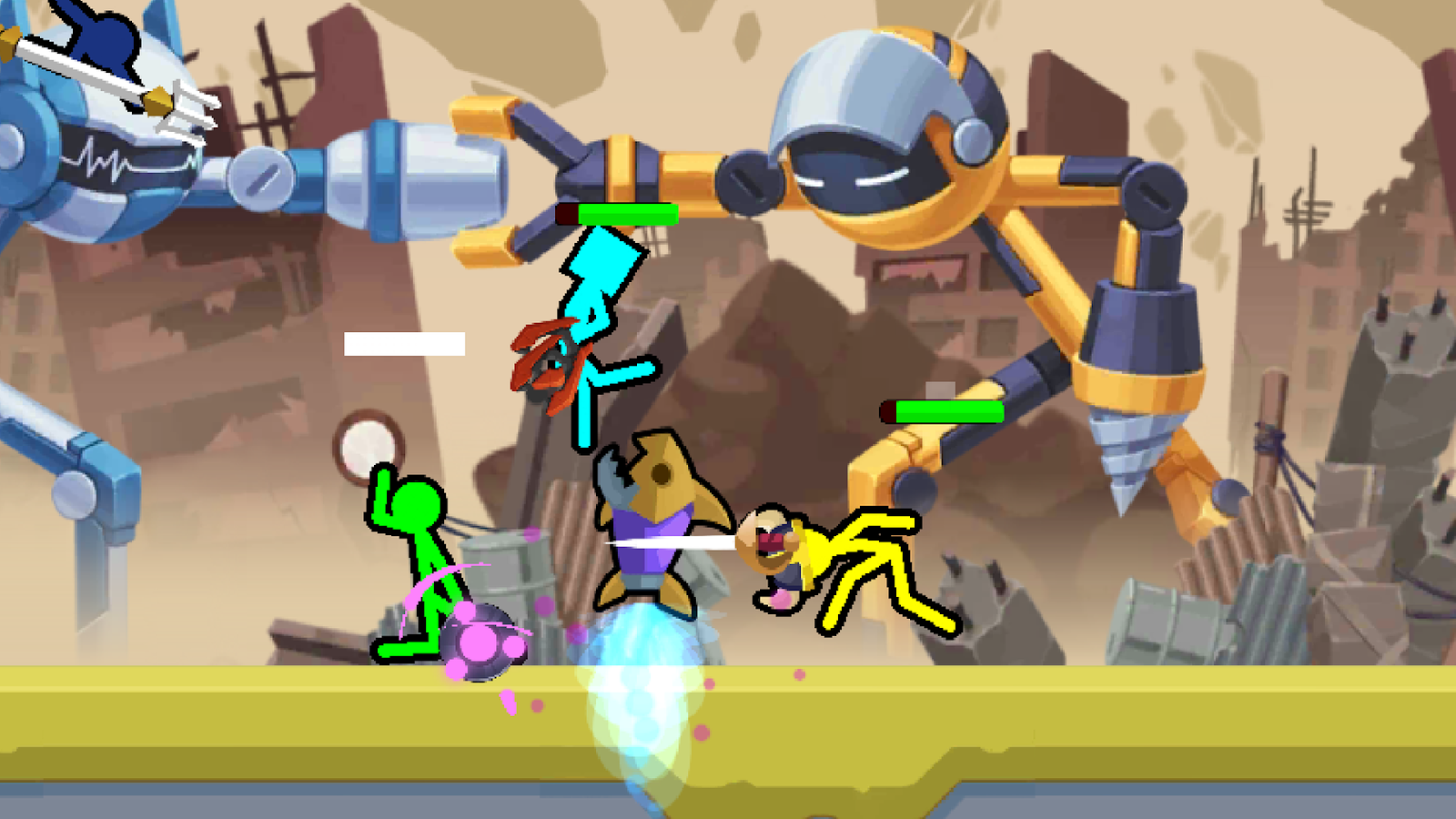
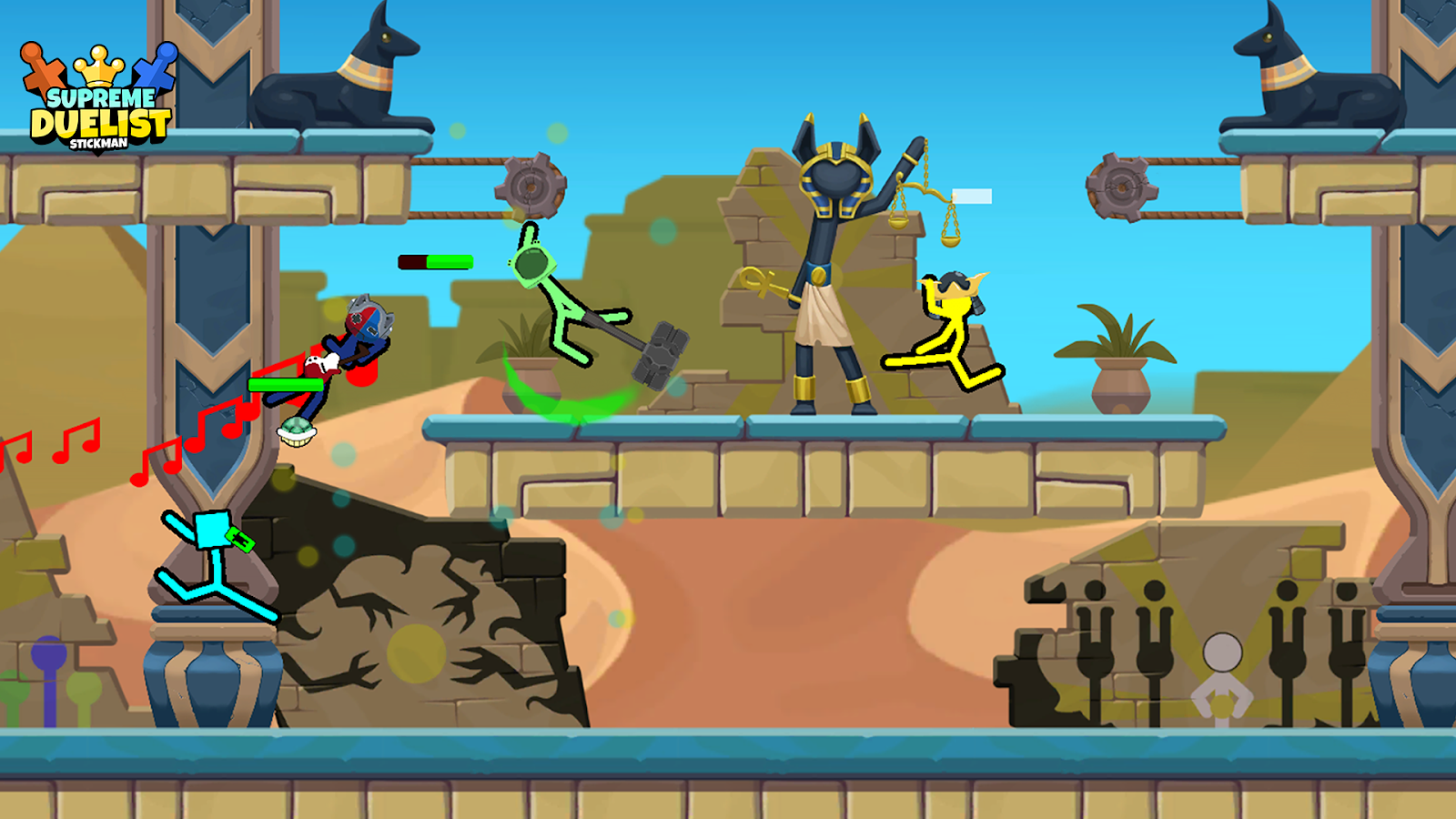
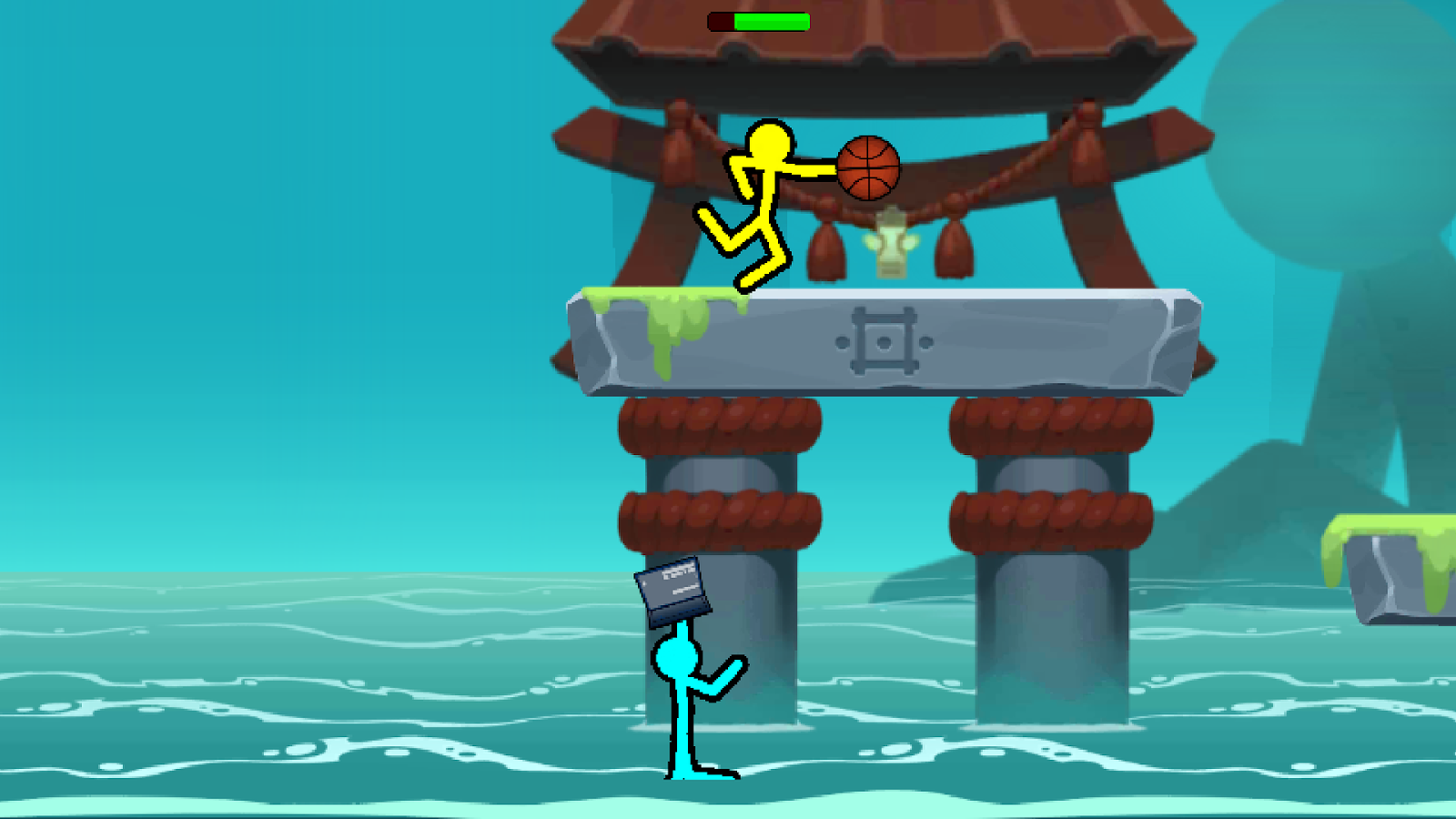
Supreme Duelist Stickman is a physics-driven fighting game in which movement, weapons and the arena can create unpredictable duels. A simple-looking control scheme leaves room for timing, balance and using the stage.
About Supreme Duelist Stickman
Supreme Duelist Stickman is a physics-driven fighting game in which movement, weapons and the arena can create unpredictable duels. A simple-looking control scheme leaves room for timing, balance and using the stage.

Gameplay overview
Move the fighter into a useful position, use the available weapon or attack and avoid being knocked into a losing situation. Arena layout can be as important as direct damage. The opponent’s momentum and recovery create openings that repeated uncontrolled inputs can miss.
How to Play
Learn how the chosen weapon behaves before trying to rush. Keep enough space from the edge to recover from a hit. If the arena has hazards, think about where the opponent will land rather than aiming only at their current position. In a local duel, agree on the mode and controls before starting.
Controls
on-screen joystick/action controls according to mode.
Pro Tips
- Test the current weapon’s reach and recovery.
- Watch the arena edge as well as the opponent.
- Use short movement corrections to preserve control.
- Keep official and portal two-player mode claims separate.
Making Better Decisions
Physics duels reward small corrections. A large movement input can put the fighter in range, but it can also carry them past a stable position near the arena edge. Watch how the current weapon moves after an attack and leave room to recover. If the opponent is airborne or off balance, think about the likely landing instead of chasing their current position. In local multiplayer, a fair start includes making both control layouts clear and choosing the same mode settings. Different arenas can make a familiar weapon feel less useful, so compare positioning before changing equipment at random. Browser games with similar names may be independent projects; their weapon roster, modes and progression should not be credited to the native developer without evidence.
Features, Modes and Progression
The native store listing has its own modes and updates. Stickman Supreme Duelist 2 and Supreme Duelist Mecha Robots are separately named browser titles, not verified app sequels.
Learn what a simple exchange costs
Before building a long attack sequence, notice how the character and weapon behave after one action. A miss can create as much information as a hit: it reveals reach, recovery and the distance left between the opponents. Use movement to create an opening instead of trying to make every encounter a continuous attack. The selected mode and equipment can change how that exchange feels.
Use the arena rather than ignoring it
Available space matters when two players are trying to control the same area. Watch the route you will have after moving in and avoid giving away the only safe position without a reason. If a familiar approach fails repeatedly, change the starting distance or timing before replacing every part of the plan. Check the live input layout before beginning a local two-player session.
Stick fighters, physics and simple-looking controls
Supreme Duelist Stickman's published identity combines lightweight stick figures with two-dimensional physics and a variety of weapons. A clean silhouette can still create an unpredictable exchange because movement, contact and landing position interact. Begin with the actual input shown by the selected mode rather than assuming the character needs a traditional console-fighting combo sequence.
The weapon's shape and response give an encounter its rhythm. Notice how it moves with the fighter and what position remains after contact. Practising one arena and one equipment choice makes that relationship clearer than changing every option after each short round.
Solo play, two-player modes and creative maps
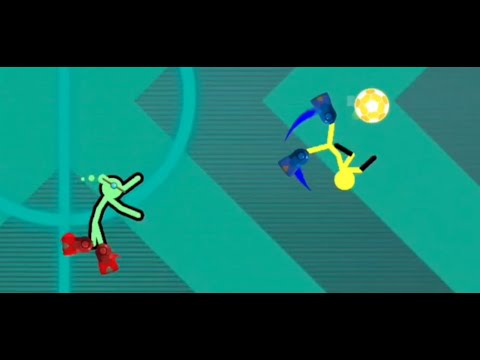
The official product describes solo and two-player activities alongside multiple modes. It also identifies a map editor and customisation options, with activities such as a football mini-game and boss-oriented competition appearing in its wider feature set. Check the current release for what is available before inviting another player or planning a particular challenge.
These options create different reasons to return without making the basic movement unimportant. A new map changes which edges and platforms matter. A different mode changes the immediate objective. A skin gives a visual choice rather than explaining the weapon's physics. Keep those differences clear so each change adds something you can understand. The appeal is a quick, readable duel that can still produce surprising outcomes when the arena and the next recovery position are taken seriously.
A small arena makes position matter immediately
Supreme Duelist Stickman uses simple characters to make movement and weapon interactions easy to read. The arena still asks for careful positioning. Before approaching the other fighter, notice the edges, platforms and room available to land after an attack. A successful hit can be a poor exchange if it leaves your own stick fighter falling or unable to recover.
Begin with a familiar weapon and learn how it behaves when the fighter moves. An action that looks effective from one angle may be awkward from another. Watch the relationship between the weapon, the opponent and the platform underfoot. The clean visual style helps you see that relationship without needing a complicated character model.
Read the weapon before chasing a knockout
Different weapons can change reach, timing and the safe distance of an encounter. Test the selected weapon in a simple situation before assuming it works like the previous one. A long-reaching action may need more space; a close-range tool may depend on a careful approach. Read the current weapon information instead of treating the appearance as a complete explanation.
If the same exchange fails repeatedly, compare distance and landing position. A better approach may solve the problem without another frantic attack. Changing weapons after every result can hide the movement habit that caused the difficulty. Keep enough of the situation familiar to understand what the new choice actually changes.
Platforms, edges and a route back to safety
An edge is more than the boundary of the picture. It changes which movement is recoverable. Notice how far a jump or knockback can carry the fighter and leave room to respond. Approaching from solid ground can give you more choices than beginning an exchange while already falling towards a narrow platform.
Try to connect the attack with the position afterwards. Where will the fighter land if the action misses? Which direction remains available if the opponent moves? Asking those questions gives a simple duel tactical shape. A controlled return to a safe platform can be more useful than extending a chaotic exchange into uncertain space.
Local play and learning together
When a selected mode supports local play, confirm the input arrangement before beginning. Both players should be able to see the arena and reach their controls comfortably. Agree on the mode and weapon rules using the game's menu. That keeps the session focused on the duel rather than confusion about an unexpected setting.
For practice, repeat a short encounter with one weapon and one arena. Notice a useful distance, a dependable approach and a recovery after a missed action. Once those are clear, change one setting and compare. This makes variation meaningful instead of making every result feel unrelated to the last.
The original game and more stickman action
Neron's Brother is the official developer destination associated with Supreme Duelist Stickman. Use the store links below and the current game for available modes and supported devices. Do not assume that every stickman fighting game shares the same weapons or movement system.
The related collection offers more duels, platform arenas and physics-based action. Choose a close alternative if the weapon interaction is the appeal, or a platformer if navigating the arena is the part you want to practise. Supreme Duelist Stickman works because a clear silhouette can still create a surprising encounter when distance, equipment and the next landing all matter.
Worked example: a hit that leaves the fighter near an edge
Imagine that an approach creates contact with the opponent but carries your own fighter towards the end of a platform. The hit is only part of the result. Compare where both characters will move afterwards and whether a safe return remains available. An exchange can look successful for a moment while leaving a poor recovery position.
Try beginning the encounter from a more stable place. Keep the weapon and arena familiar enough to compare the effect of that position. If the same action now leaves more room, the improvement came from the approach rather than a different attack. This is useful information in a duel where movement and weapon physics are closely connected.
Worked example: a new weapon with a different rhythm
Read the current weapon information and observe how it responds to the selected input. A different shape or range may change when it is safe to approach. Test a simple encounter before assuming the new tool works like the previous one. The aim is to learn the interaction, not to attach a traditional fighting-game combo to every stickman duel.
When the result is chaotic, simplify the comparison. Use one arena, one weapon and one approach for a few short attempts. Notice the useful distance and the position after contact. Add a different setting only after you can recognise what the original one was doing.
Keep shared play clear and comfortable
If the mode supports local multiplayer, confirm each player's actual controls and make sure both can see the arena. Agree on the selected mode and weapon options before beginning. A short duel is easier to enjoy when the outcome depends on readable movement rather than an input arrangement one person could not use. After a round, choose one recovery or approach to improve instead of expecting the next attempt to remove every unpredictable collision.
Related games
Frequently asked questions
Is Stickman Supreme Duelist 2 an official sequel?
That has not been established; the source-listed browser game is labelled separately.
Why is the arena important?
Edges and hazards change which positions are safe and where a knockback can lead.
Who develops or publishes Supreme Duelist Stickman?
Neron's Brother
Which controls should I use?
Native: on-screen joystick/action controls according to mode. Browser adaptations: check the recorded one-player or two-player key map.
Is the browser player the exact original game?
The selected browser duel is an adaptation/alternative with independent controls and features. It is not assumed to be Neron’s Brother’s exact official app.
Is it free?
The observed Google Play listing is free to download and offers in-app purchases. A browser alternative has its own provider terms and may include adverts.
Can I use my official account or saved progress in a browser alternative?
No account, purchase or save transfer is established unless the developer explicitly documents it for that build.
What games should I try next?
Compare Supreme Duelist, stickman duel, physics fighting, two player stickman. The related list prioritises shared mechanics and preserves each game’s real identity.
Good game? Tell us.0
Share a tip, celebrate a high score, or tell us what you think. Keep it friendly.